
How to Protect Antiques and Fine Art During a Long-Distance Move
TL;DR: Protecting valuable heirlooms during a move requires careful planning, proper packing, and experienced professionals. This guide explains how an antique moving company can help safeguard antiques, artwork, and other irreplaceable possessions throughout a long-distance relocation.
Create a detailed inventory with photos and appraisals before moving antiques.
Choose experienced antique movers and fine art moving services that specialize in handling high value items.
Use professional packing materials, custom crating, and climate-conscious transportation for maximum protection.
Review insurance coverage and communicate special handling instructions before moving day.
Inspect your antique furniture and artwork upon delivery to confirm everything arrived safely.
A long-distance relocation can be exciting, but it also comes with unique challenges if you own antiques, artwork, or other treasured possessions. Unlike everyday household items, these pieces often carry significant financial, historical, or sentimental value. Even a small bump during transport can lead to costly damage that may be impossible to reverse.
The good news is that careful planning and professional handling can dramatically reduce the risks. By working with an experienced antique moving company and following proven packing and transportation practices, you can help ensure your prized possessions arrive safely at their new home.
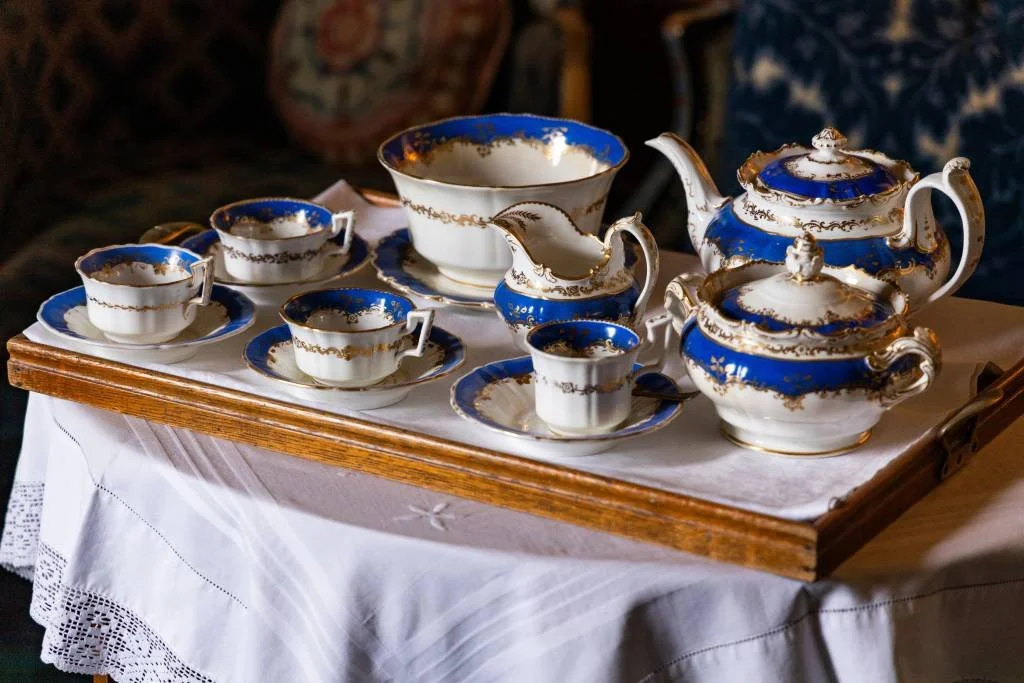
Start by Taking Inventory
Before packing begins, create a detailed inventory of every valuable item you plan to move. This list should include:
Antique furniture
Paintings
Sculptures
Mirrors
Collectibles
Family heirlooms
Rare books
Decorative antiques
Take high-resolution photographs of each piece from multiple angles. Close-up images of existing scratches, chips, or repairs provide an accurate record of the item's condition before moving day.
If you own especially valuable pieces, consider gathering receipts, appraisals, or certificates of authenticity. This documentation can be useful for insurance purposes and offers additional peace of mind during long distance moving.
Consider Professional Appraisals
Many homeowners underestimate the value of older pieces they've inherited over the years. A professional appraisal helps establish current market value and may reveal that certain antiques deserve additional protection during transit.
Insurance providers often require updated appraisals for expensive collections. Having accurate documentation also helps your movers understand which pieces deserve specialized handling.
Choose Experienced Antique Movers
Not every moving company has experience transporting delicate antiques or museum-quality artwork. Standard household moves require one set of skills, while moving antiques safely requires another.
Professional antique movers understand how age, construction methods, and materials affect packing and transportation decisions. Older furniture often contains fragile joints, antique glass, veneers, or finishes that can be damaged by improper handling.
The best antique moving companies train their crews to:
Lift antiques correctly
Protect delicate finishes
Secure loose components
Use specialized packing materials
Load trucks to minimize movement during transport
Working with an experienced antique moving company can significantly reduce the likelihood of damage during relocation.
Use the Right Packing Materials
Packing supplies matter just as much as packing technique.
Old quilts and towels may seem like a convenient solution, but professional-grade materials provide much better protection for fragile belongings.
For antiques and artwork, movers often use:
Acid-free packing paper
Glassine paper for artwork
Foam corner protectors
Custom-sized boxes
Double-wall cartons
Stretch wrap designed for furniture
Furniture blankets
Bubble wrap used appropriately
Wooden crates for especially delicate pieces
Quality packing materials cushion against vibrations, shifting loads, and accidental impacts that can occur during long distance moving.
Protect Antique Furniture Carefully
Many antique pieces cannot simply be wrapped in moving blankets and loaded onto a truck.
Delicate wood finishes can scratch easily. Decorative carvings may break if pressure is applied incorrectly. Legs and arms may loosen over time, making them more vulnerable during transport.
When preparing antique furniture, professionals often remove drawers, detachable shelves, mirrors, glass inserts, and hardware whenever possible. Each component is wrapped separately before being secured for transportation.
Wood surfaces should never come into direct contact with plastic for extended periods, particularly during hot weather. Breathable protective materials help reduce the risk of moisture becoming trapped against delicate finishes.
Give Artwork Specialized Protection
Artwork presents its own set of challenges.
Paintings, framed prints, sculptures, and mixed-media pieces each require different packing methods. Temperature fluctuations, humidity, vibration, and improper stacking can all contribute to damage.
A professional fine art moving company understands how different artistic materials respond to transportation.
Many fine art moving services include custom-built crates designed specifically for each piece. These crates minimize movement while providing superior impact protection throughout the journey.
Larger framed artwork should remain upright during transportation instead of lying flat beneath other boxes or furniture.
Pay Attention to Climate Conditions
Many antiques and works of art are sensitive to environmental changes.
Extreme heat may soften adhesives or damage finishes. High humidity can warp wood and encourage mold growth. Rapid temperature swings may cause cracking in paint, veneers, or antique wood.
This is one reason experienced fine art moving services often recommend climate-controlled transportation and storage for especially valuable collections.
If your move includes temporary storage, choose facilities with consistent temperature and humidity controls whenever possible.
Purchase Adequate Moving Insurance
Even with exceptional planning, unexpected situations can happen during any relocation.
Review your homeowner's insurance policy before moving. Some policies provide limited protection during relocation, while others require separate moving coverage.
Professional moving companies also offer different levels of valuation coverage, but these plans may not fully reflect the replacement value of rare antiques or artwork.
For especially valuable collections, specialty insurance may provide broader protection throughout the move.
Label and Communicate Clearly
Professional movers appreciate clear communication.
Boxes containing fragile antiques or artwork should be labeled prominently so every crew member understands the contents require additional care.
If certain pieces have unique handling instructions, explain those details before loading begins.
For example:
"This mirror must remain upright."
"This cabinet contains fragile antique glass."
"This sculpture cannot support weight on the top."
Good communication helps reduce confusion and improves overall handling throughout the move.
Avoid Packing Valuable Items Yourself
Many homeowners assume packing antiques themselves will provide the greatest level of protection.
In reality, improper packing techniques often increase the risk of damage.
Experienced antique moving services have specialized materials and years of training that most homeowners simply don't possess. Professional crews know how to stabilize irregular shapes, cushion fragile finishes, and crate delicate items for extended transportation.
Allowing trained professionals to handle your most valuable belongings often provides better protection than attempting the process alone.
Plan Ahead for Delivery
Protection doesn't end once the truck reaches your new home.
Before delivery day, decide exactly where large antiques and artwork will be placed. Clear hallways, staircases, and entryways so movers can navigate safely without unnecessary maneuvering.
After unpacking, inspect every item before signing final paperwork. Compare each piece to the photographs you took before the move to confirm its condition.
If anything appears damaged, report it immediately according to your mover's claims process.
Trust Professionals With Your Most Valuable Possessions
Relocating priceless family heirlooms and artwork requires more than standard moving experience. It takes planning, specialized equipment, quality packing materials, and careful transportation from beginning to end.
Experienced antique moving companies understand the unique challenges involved in transporting fragile collections across long distances. From custom crating to climate-conscious transportation and careful loading techniques, professional expertise helps safeguard your investment every mile of the journey.
When you're planning fine art moves, selecting a reputable mover with experience handling high value items gives you confidence that your treasured belongings will receive the care they deserve. By partnering with skilled professionals, you can focus on settling into your new home while knowing your antiques and artwork are in capable hands.
Frequently Asked Questions
How do I choose the right antique moving company?
Look for an antique moving company with experience transporting antiques, artwork, and other delicate possessions. Ask about employee training, custom crating, insurance options, climate-controlled transportation, and references from previous clients.
Are fine art moving services worth the investment?
Yes. Professional fine art moving services use specialized packing materials, custom crates, and proven handling techniques that help reduce the risk of damage during transportation. For valuable artwork, the added protection often outweighs the additional cost.
Can antique furniture be disassembled before moving?
Some pieces can safely be partially disassembled, while others should remain intact to preserve their structural integrity. Experienced antique movers evaluate each item individually and use the safest approach for transport.
Should I insure my antiques separately during a long-distance move?
If you own rare or expensive antiques, it's a good idea to review your insurance coverage before moving. Specialty insurance may provide broader protection than standard valuation coverage offered by many moving companies.
Why is long-distance moving harder on antiques and artwork?
Long distance moving exposes belongings to more handling, longer travel times, road vibration, and changing environmental conditions. Professional packing, careful loading, and specialized transportation help minimize these risks and keep valuable possessions protected throughout the journey.